Column · @health-at-human-pace
Comparing Popular Psoriasis Detox Cleanses: Which Works Best?
If you’re looking up a psoriasis detox cleanse, you’re probably carrying two feelings at once: hope and caution. Hope, because you want relief that feels gentle and realistic. Caution, because you’ve also seen how many “cleanses” can turn into extreme restriction, constipation, fatigue, and skin flares that feel impossible to explain.
I can relate. I’ve worked with people who swear a cleanse helped them, and also with people whose skin got worse after jumping into one too fast. The difference is rarely the marketing language, it’s the details: what you actually eat and drink, how long you do it, whether you support hydration and bowel regularity, and how closely the plan fits your medications, triggers, and gut tolerance. That’s what I focus on here, comparing common styles of psoriasis detox cleanse plans so https://www.reddit.com/r/ReviewJunkies/comments/1q9zekf/45_days_on_the_psoriasis_revolution_the/ you can make a calmer, more informed choice.
What “detox” usually means in psoriasis cleanse culture
Most cleanse plans talk about “detox” without using the same definition. In practice, the plans tend to fall into a few predictable buckets:
- Some emphasize cutting certain foods (often processed foods, alcohol, dairy, gluten, or sugar).
- Some emphasize short-term fasting or very low-calorie intake.
- Some emphasize juices or liquid meals, which can reduce total fiber and slow digestion for some people.
- Some emphasize supplements, teas, or binders meant to reduce “toxins,” though the science behind those claims varies widely and isn’t consistent.
For psoriasis relief, the real question is not whether you can “flush toxins.” It’s whether the cleanse reduces common flare drivers for you. Many people notice changes when they stop eating high-sugar or ultra-processed foods, and when they move toward steady hydration and lower inflammation load. Others notice the opposite when restriction leads to stress, poor sleep, dehydration, or constipation, which can worsen symptoms regardless of diet theory.
So when you compare cleanse and psoriasis relief effectiveness across popular plans, focus on measurable, day-to-day factors you can control: energy stability, bowel regularity, skin comfort, and whether the plan is sustainable enough to try safely.
Detox cleanse types compared for psoriasis relief outcomes
Below are the cleanse formats people most often ask psoriasis treatment about when they’re comparing a best psoriasis detox cleanse plan. I’m describing how they tend to feel in real life and what risks show up most.
1) Whole-food elimination cleanses (most “skin friendly” if tolerated)
These usually remove several categories for a short window, then reintroduce more foods slowly. Common targets include alcohol, processed snacks, added sugars, and sometimes dairy or gluten. Unlike juice-based plans, whole-food approaches can keep fiber and protein more consistent, which matters when your immune system is already doing a lot.
Why people often report better outcomes: steadier blood sugar, better satiety, less dehydration, more stable digestion. When someone’s flare is influenced by diet-related triggers, this format can help without feeling like your body is in survival mode.
Trade-offs: elimination lists are not the same as personalized triggers. If you remove multiple foods at once and you improve, it’s hard to know which change mattered. Also, if you’re not careful with protein and calories, some people still feel run down.
2) Juice or liquid-heavy cleanses (often helpful, sometimes backfire)
Juice cleanses can reduce cooking time and may temporarily lower intake of certain foods, which is why they’re popular. But liquid-only plans often mean lower fiber, and that can lead to constipation or looser stools depending on the person. Either way, gut changes can influence skin in subtle ways.
Why people sometimes see improvement: lower total food intake can reduce exposure to triggers, and some people simply eat better when a plan is structured.
Where they can go wrong: dehydration, electrolyte imbalance, hunger-driven stress, and constipation. If your skin tends to flare when you get run down, a liquid-heavy approach can be the wrong tool.
3) Fasting-style cleanses (highest stress risk, most mixed results)
Some detox cleanse outcomes for psoriasis come from people reducing intake dramatically or cycling fasting. The intent is to calm inflammatory signaling, but the lived reality is that fasting can increase stress hormones for some people, worsen sleep, and make medication routines harder to maintain.
Why people report benefits: weight changes, reduced food trigger exposure, and a “reset” feeling that reinforces healthy habits afterward.
Why results are inconsistent: for some, fasting increases fatigue and irritability, and those factors can correlate with flare-ups. If you have a history of eating disorders, low blood pressure, or you’re already undernourished, fasting-style plans are often the most precarious option.
4) “Support” cleanses with herbs, teas, and binders
These plans often add teas, supplements, or fiber-like products intended to “support liver or gut detox.” They can sound gentle, and sometimes they are, but “natural” does not automatically mean “safe with everything.”
The main issue: interactions. If you take psoriasis medications, blood thinners, thyroid meds, or medications for blood sugar or blood pressure, it’s crucial to check what any herb or binder could do. Even without interaction, stimulatory teas can disrupt sleep, and that can matter for flare control.
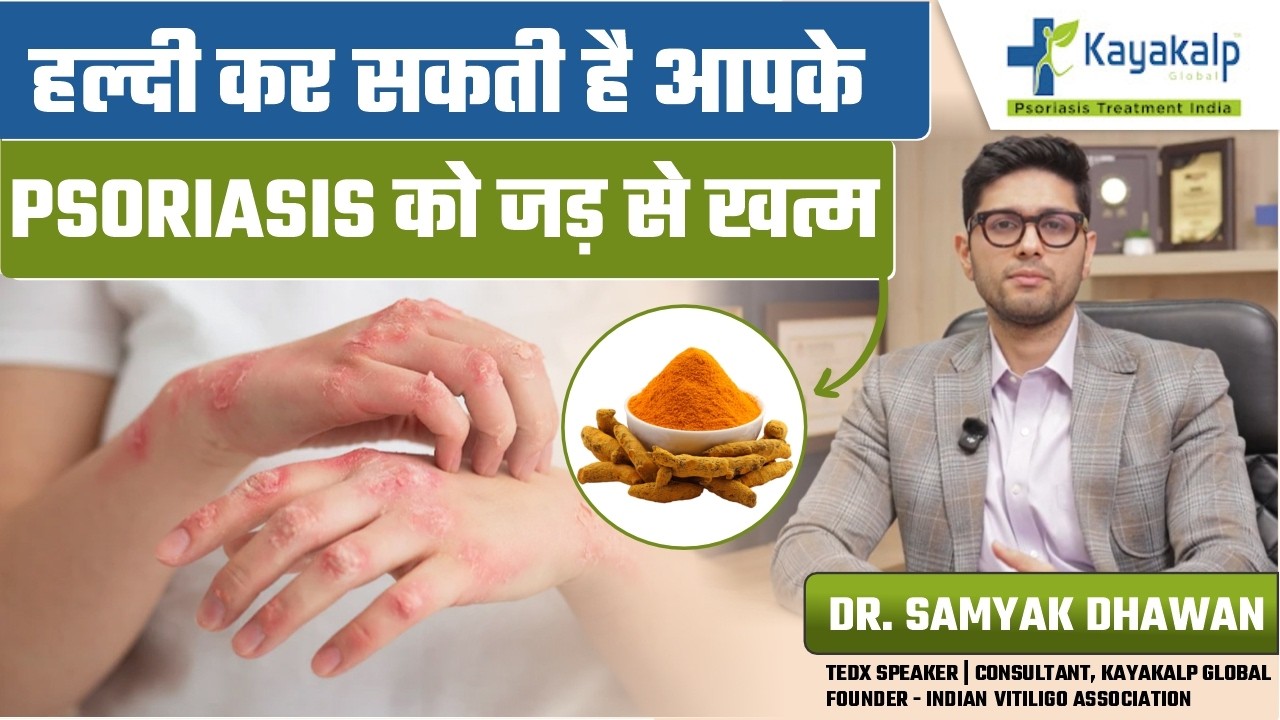
Which one tends to be the best psoriasis detox cleanse plans for different people?
“Best” depends on your baseline. I’ve seen the same cleanse help one person and worsen another within days. The deciding factor is usually how your body responds to restriction and digestion changes, not whether the plan sounds “detox-y.”
Here’s how to choose a format that fits your likely needs.
A practical decision guide
- If you tend to get constipated easily, avoid juice-heavy plans and prioritize fiber-rich whole foods.
- If you already eat mostly whole foods and your flare still hits, extreme elimination may not be the best psoriasis cleanse comparison starting point. You may do better with targeted changes rather than full resets.
- If you have fatigue, dizziness, or trouble sleeping, skip fasting-style approaches. Your stress response may be the flare trigger.
- If you prefer a structured plan, choose one with clear meals and hydration guidelines rather than vague “drink this cleanse tea” instructions.
- If you’re on medication, be extra cautious with herbal additions and focus on food-based adjustments first.
This is the part most people miss: the best detox cleanse is the one your nervous system can tolerate. Psoriasis relief isn’t just about what you remove, it’s also about what you can keep steady.
A reality check I wish more people had
If your skin is flaring hard, you might want results quickly. But many detox plans create the conditions for a flare, even when the diet sounds reasonable on paper. I’ve heard stories that go like this: day two is fine, day four brings burning, itching intensifies, and sleep collapses. When that happens, the plan is often too aggressive, or hydration and electrolytes were not handled well, or the cleanse led to constipation.
When you’re comparing detox cleanse outcomes for psoriasis, watch for patterns in energy, bathroom regularity, and sleep, not just “did my redness go down.”
How to run a cleanse safely while keeping psoriasis in mind
You don’t have to do extreme things to test whether a cleanse idea supports your skin. The safest approach is to treat it like an experiment you can stop, not a moral challenge you have to push through.
Here are the core safety rules I use when advising someone who wants to try a cleanse and wants to protect their skin:
- Pick one format and keep it simple. Too many changes at once makes it impossible to learn what helped.
- Support hydration and digestion. If you’re reducing food volume, make bowel regularity a priority.
- Watch for stress and sleep disruption. If the plan is making you feel keyed up or exhausted, it may worsen symptoms.
- Do not stack herbs and supplements without checking interactions. Natural can still be active and risky.
- Stop early if symptoms intensify. Especially if you see worsening itching, pain, or widespread flare.
A note on medications: if you take systemic psoriasis treatments or immunomodulators, don’t adjust anything based on a cleanse plan. If you’re tempted to add herbal detox products, confirm with your clinician first. It’s not fear, it’s precision.
What “success” looks like beyond day-by-day symptom scores
People often measure success only by how fast plaques fade. But for cleanse and psoriasis relief effectiveness, I recommend a wider lens.
Success can include: - Less intensity of itching and burning - More stable sleep - Fewer new spots during the cleanse window - Easier digestion and consistent bowel movements - Less “skin reactivity” after meals
When a cleanse helps, it usually does so by reducing specific triggers and giving your body steadier fuel. When it harms, it often shows up through constipation, dehydration, or stress. If you’re comparing popular psoriasis detox cleanse plans, pay attention to how your body responds day to day. That pattern is usually more informative than the plan’s promises.
If you want the best psoriasis detox cleanse for your situation, start by matching the cleanse type to your digestive pattern and stress tolerance. Then run it conservatively, stop if things worsen, and treat your results as data, not fate. That mindset keeps the focus where it belongs, psoriasis relief that actually fits your life.